Welcome to our Blog

The daily Post

Read Our Blog

Florida Building Code Requirements for Aluminum Pergolas & Patio Covers (2026)

Florida Building Code for Aluminum Pergolas: 2026 Requirements

Meeting Florida Building Code for aluminum pergolas is the line between a permitted project and a costly rebuild. Florida’s building codes are among the strictest in the United States, and for good reason. With annual hurricane seasons, high winds, salt-laden air, and extreme humidity, every outdoor structure must meet rigorous engineering and material standards. For licensed contractors building aluminum pergolas, patio covers, and carports, understanding and meeting Florida Building Code (FBC) requirements is not optional — it is the foundation of every project.

This guide breaks down the FBC requirements that apply to aluminum outdoor structures in 2026, covering wind load ratings, permit processes, approved materials, and how to ensure every installation passes inspection the first time.

FBC Requirements for Aluminum Outdoor Structures

The Florida Building Code, updated on a three-year cycle, governs every aspect of construction in the state. For outdoor structures including pergolas, patio covers, carports, and screen enclosures, the key requirements fall into several categories:

  • Structural integrity: Every component must be engineered to support specified dead loads, live loads, and wind loads based on the structure’s geographic location and exposure category.
  • Material compliance: All materials used in permitted structures must carry valid FBC product approvals or equivalent certifications. Using non-approved materials can result in failed inspections, code violations, and liability exposure.
  • Anchoring and connections: Footings, post connections, and beam-to-rafter joints must meet engineering specifications appropriate to the wind zone.
  • Setback and zoning compliance: Structures must observe property line setbacks, height restrictions, and lot coverage maximums defined by local zoning ordinances.

Wind Load Requirements: Miami-Dade vs. the Rest of Florida

Florida is divided into multiple wind zones, and the required design wind speed varies significantly by location. The most critical distinction is between the High-Velocity Hurricane Zone (HVHZ) and the rest of the state.

High-Velocity Hurricane Zone (HVHZ)

The HVHZ covers Miami-Dade and Broward counties. Structures in this zone must withstand design wind speeds of 175 mph or higher, depending on the specific risk category and exposure. Products used in the HVHZ require a Miami-Dade NOA (Notice of Acceptance) in addition to standard FBC approval. Inspections are more rigorous, and documentation requirements are stricter.

Rest of Florida

Outside the HVHZ, design wind speeds range from approximately 130 mph to 160 mph depending on the county and proximity to the coast. Coastal areas in the Florida Panhandle, Central Florida, and the Gulf Coast still face substantial wind requirements. All structures must use FBC-approved materials and be designed by a licensed engineer or meet prescriptive code requirements.

Wind Zone Design Wind Speed Special Requirements
HVHZ (Miami-Dade, Broward) 175+ mph Miami-Dade NOA required
Coastal (non-HVHZ) 150–160 mph FBC product approval required
Inland Florida 130–140 mph FBC product approval required

Permit Requirements for Pergolas, Patio Covers, and Carports

In Florida, most outdoor structures require a building permit. The specific requirements vary by county and municipality, but the general rules are consistent:

  • Attached structures: Any pergola, patio cover, or carport attached to an existing building always requires a permit and typically requires a sealed engineering drawing.
  • Freestanding structures over 120 sq ft: Most jurisdictions require permits for freestanding structures exceeding 120 square feet.
  • Freestanding structures under 120 sq ft: Some counties exempt small freestanding structures, but many still require at minimum a zoning review.
  • Carports: Carports almost always require permits, as they are classified as accessory structures and must meet the same wind load requirements as covered patios.

Contractors should always verify requirements with the local building department. Pulling permits properly protects the contractor, the homeowner, and the project from liability.

Why FBC-Approved Materials Matter

Using FBC-approved materials is not just a checkbox — it is a legal and practical necessity. Here is why it matters for every outdoor aluminum project:

  • Inspection compliance: Building inspectors verify product approvals during inspections. Non-approved materials result in automatic failures.
  • Insurance requirements: Homeowner insurance companies require permitted work with approved materials. Non-compliant structures may void coverage.
  • Liability protection: If a non-approved structure fails in a storm and causes damage or injury, the installing contractor bears direct legal liability.
  • Resale value: Permitted structures built with approved materials add value to the property. Unpermitted work creates complications during home sales.

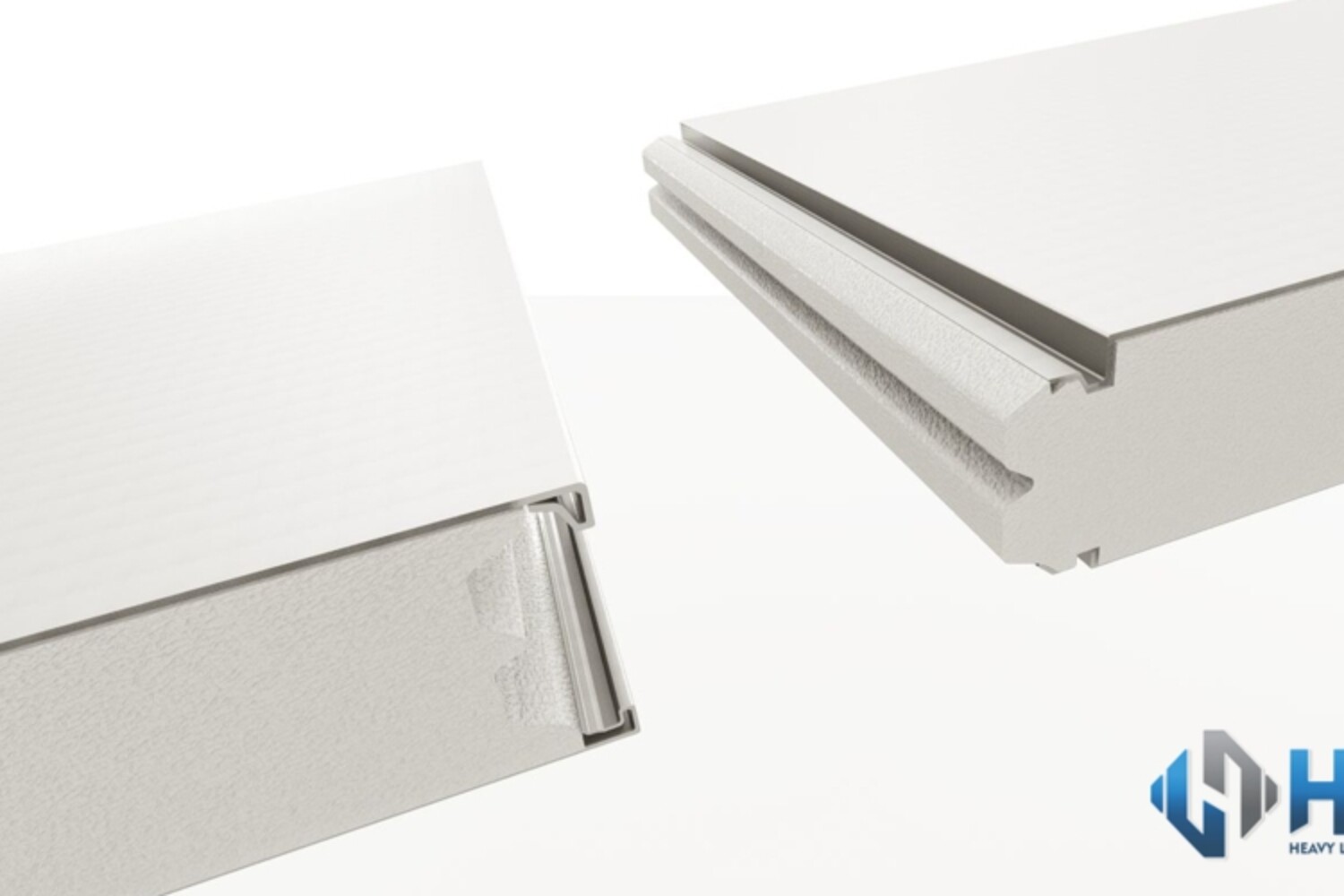
Classic Metals Heavy Lock Panels: FBC Approval FL #041706.1

Classic Metals Suppliers offers Heavy Lock Panels (HLP) that carry Florida Building Code approval number FL #041706.1. These insulated aluminum panels are engineered and tested to meet Florida’s stringent wind load and structural requirements. For contractors working in any Florida wind zone — including the HVHZ — the HLP system provides a code-compliant, inspector-ready solution out of the box.

How Classic Metals Helps Contractors Meet Code

Meeting Florida Building Code requirements is easier when your material supplier understands the code as well as you do. Classic Metals Suppliers supports contractors across the state with:

  • FBC-approved product lines: Heavy Lock Panels, aluminum profiles, beams, and accessories that carry valid Florida approvals.
  • Engineering documentation: Product spec sheets, load tables, and approval letters ready for permit applications.
  • Four Florida warehouse locations: Opa-locka, Miami, West Palm Beach, and Tampa — ensuring fast access to materials statewide.
  • Statewide delivery: Reliable delivery service covering all Florida counties, so projects are never delayed by material shortages.
  • Technical support: Knowledgeable staff who understand FBC requirements and can help contractors select the right materials for each project’s wind zone and structural needs.

Whether you are building a residential patio cover in Naples or a commercial carport in Jacksonville, having a supplier with statewide coverage and code-compliant products simplifies every project.

Frequently Asked Questions

Do I need a permit for an aluminum pergola in Florida?

Yes. In most Florida jurisdictions, any attached or freestanding outdoor structure exceeding 120 square feet requires a building permit. Even smaller structures may need permits depending on the county. Always verify requirements with your local building department before starting construction.

What wind load rating is required for pergolas in Miami-Dade County?

Miami-Dade County falls within the High-Velocity Hurricane Zone (HVHZ) and requires structures to withstand wind speeds of 175 mph or higher, depending on the specific location and exposure category. Structures must carry a Miami-Dade NOA (Notice of Acceptance) or equivalent FBC approval.

Are Classic Metals Heavy Lock Panels FBC-approved?

Yes. Classic Metals Heavy Lock Panels carry Florida Building Code approval number FL #041706.1. They are engineered to meet stringent wind load and structural requirements across all Florida wind zones, including the HVHZ.

What is the difference between FBC approval and Miami-Dade NOA?

FBC (Florida Building Code) approval means a product has been tested and listed for use statewide. Miami-Dade NOA (Notice of Acceptance) is an additional, stricter certification required specifically for the High-Velocity Hurricane Zone covering Miami-Dade and Broward counties. Products used in these areas typically need both.

Can I use aluminum pergola materials in flood zones?

Aluminum is an excellent material for flood-prone areas because it does not rot, warp, or weaken when submerged. However, the structure’s foundation and anchoring must comply with local floodplain management regulations and FEMA guidelines in addition to the FBC.

Need FBC-approved aluminum materials for your next Florida project?

Browse our Pergalum aluminum profiles and Insulated Panel systems — all designed to meet Florida building codes.

Ready to Order?

Contact Classic Metals Suppliers at +1 (305) 822-7737 or info@classicmetals.us for wholesale pricing. Visit any of our four Florida locations in Opa-locka, Miami, West Palm Beach, or Tampa.

Related Reading for Florida Contractors

For more on building code compliance and pergola construction in Florida, see these related guides:

Ready to source FBC-compliant pergola materials? Call (305) 822-7737 or toll-free (888) 638-2501.

Authoritative Sources

Insulated aluminum panels Heavy Lock system - Classic Metals Suppliers Florida

Complete Guide to Aluminum Pergola Systems with Insulated Panels

Aluminum Pergola Insulated Panels: Complete System Guide

Aluminum pergola insulated panels deliver year-round shade, lower heat transfer, and FBC-approved hurricane performance in one system. An aluminum pergola with insulated panels is a fully roofed outdoor structure that combines a lightweight aluminum frame with thermally insulated roof panels. Unlike traditional open-rafter pergolas that provide partial shade, insulated panel pergolas create a completely weather-protected outdoor living space — blocking rain, reducing heat, and providing year-round comfort.

In Florida, these structures have become the preferred choice for contractors building patios, outdoor kitchens, pool decks, and commercial outdoor dining areas because they meet Florida Building Code requirements while delivering superior performance in the state’s hot, humid, and storm-prone climate.

How Insulated Panel Pergola Systems Work

An insulated panel pergola consists of two main components:

1. The Aluminum Frame

The structural frame is built from extruded aluminum profiles — typically 6063-T5 alloy — that include:

  • Posts: 4×4 or 6×6 square aluminum tubes anchored to the ground or existing structure
  • Beams: Horizontal structural members spanning between posts (2×6, 2×8, or larger)
  • Rafters: Members running perpendicular to beams that support the roof panels
  • Brackets and connectors: Engineered connection hardware at every joint

Systems like the Pergalum system from Classic Metals Suppliers provide all these components as a complete, matched kit engineered for Florida conditions.

2. The Insulated Roof Panels

Insulated panels consist of two aluminum skins bonded to a high-density foam or polystyrene core. The CMI Heavy Lock Panel is a widely used FBC-approved insulated panel system in Florida.

Key specifications of insulated panels:

Specification Details
Panel Type Heavy Lock (locking)
Available Thicknesses 2″, 3″, 4″, and 6″
Core Material High-density polystyrene (EPS) or polyurethane
Exterior Aluminum skin (both sides)
Connection System Precision locking (male/female edges)
Colors Available 12+ options including White, Gray Feather, Cedar Wood, Smokey Grey, Bronze, Spanish Wood, Brown Oak, Platinum Grey, Sandstone, Black, plus textured finishes
Custom Lengths Yes — cut to project specifications
FBC Approval FL #041706.1 (CMI Heavy Lock Panels)
Warranty 10 years on materials and workmanship

Benefits of Insulated Panel Pergolas in Florida

Thermal Performance

The insulated core reduces heat transfer significantly compared to a bare aluminum roof. The thicker the panel, the higher the R-value and the cooler the space beneath. A 4" insulated panel can keep a covered patio up to 15% cooler than an uninsulated aluminum roof — a major comfort factor in Florida’s 90+ degree summers.

Weather Protection

The locking panel system creates a waterproof seal, providing complete rain protection. Combined with integrated gutter systems, water is channeled away from the living area cleanly. This makes insulated panel pergolas ideal for outdoor kitchens, dining areas, and pool decks where rain protection is essential.

Hurricane Resistance

FBC-approved insulated panels are engineered and tested for Florida’s wind load requirements. In South Florida (Miami-Dade, Broward), this means withstanding sustained winds of 175+ mph. The combination of a properly engineered aluminum frame and FBC-approved insulated panels creates a structure that meets code for even the most demanding Florida wind zones.

Low Maintenance

Aluminum does not rust, rot, or require painting. The insulated panels are cleaned with a garden hose and soft brush. There is no wood to stain, no steel to treat, and no fabric to replace — making these structures virtually maintenance-free in Florida’s humid, salt-air environment.

Aesthetics

With 12+ color and texture options — including wood grain finishes like Cedar Wood, Spanish Wood, and Brown Oak — insulated panels can match virtually any architectural style without the maintenance burden of real wood.

Companies That Sell Aluminum Pergola Systems with Insulated Panels

Several companies supply aluminum pergola systems with insulated panels in Florida:

  • Classic Metals Suppliers — Wholesale supplier of the Pergalum frame system and CMI Heavy Lock insulated panels. Four Florida warehouse locations (Opa-locka, Miami, West Palm Beach, Tampa). Wholesale pricing for contractors. FBC-approved panels (FL #041706.1).
  • Alumicenter Inc. — Manufacturer of the Elite Insulated Roof system. DIY kits available. Based in South Florida with statewide delivery.
  • Azenco Outdoor — Premium pergola manufacturer with R-SHADE insulated panel system. Manufacturing facility in Miami. Higher price point, architect-grade products.
  • Alumi-Kit Inc. — DIY insulated patio cover kits with Florida Product Approvals. Focus on homeowner self-installation.

For contractors looking for wholesale materials (not pre-fabricated kits), Classic Metals Suppliers offers the broadest range of individual components at contractor pricing, allowing you to spec and build custom pergola configurations for any project.

Installation Considerations for Florida

  • Permits: Most Florida jurisdictions require a building permit for a roofed pergola structure. Your supplier should provide the FBC approval documentation needed for the permit application.
  • Engineering: Depending on the structure size and local requirements, sealed engineering drawings from a licensed Florida PE may be required.
  • Foundation: Posts typically require concrete footings sized for the local soil conditions and wind load requirements.
  • Drainage: Plan for integrated gutters and downspouts to manage Florida’s heavy rainfall. K-style or fascia-mounted aluminum gutters are the standard choice.
  • Electrical: If adding ceiling fans, lighting, or outlets under the pergola, coordinate electrical rough-in before panel installation.

Frequently Asked Questions

What are insulated panels on a pergola?

Insulated panels are aluminum roof panels with a high-density foam core that provide thermal insulation and complete weather protection. They install onto an aluminum pergola frame using a precision locking system. In Florida, the most common type is the Heavy Lock panel, which is available in thicknesses from 2" to 6" and must carry FBC approval for permitted construction.

Are insulated aluminum pergola panels Florida Building Code approved?

Yes, several insulated panel systems carry FBC approval. The CMI Heavy Lock Panel from Classic Metals Suppliers holds FBC approval FL #041706.1. Always verify the specific FBC approval number with your supplier and confirm it is accepted in your local jurisdiction before purchasing.

How much do insulated panels cost for a pergola?

Insulated panel pricing varies by thickness, color, quantity, and supplier. Wholesale pricing through a contractor account is significantly lower than retail. Contact a wholesale supplier like Classic Metals Suppliers for project-specific pricing based on your square footage and panel specifications.

What thickness of insulated panel should I use?

Panel thickness depends on the application and desired thermal performance. 3" panels are the most common for residential pergolas in Florida, offering a good balance of insulation and cost. 4" and 6" panels provide higher R-values and are used for larger commercial structures or when maximum cooling performance is needed. 2" panels are suitable for smaller structures where minimal insulation is acceptable.

Can I install insulated panels on an existing pergola?

In many cases, yes — but the existing frame must be structurally adequate to support the added weight and wind load of a solid roof. A licensed contractor should evaluate the existing structure and may need to reinforce posts, beams, or connections before panel installation. The frame must also be compatible with the panel’s locking system.

Authoritative Sources

Where Do Installers Buy Pergola Materials in Florida?

Where to Buy Pergola Materials in Florida (Wholesale)

Knowing exactly where to buy pergola materials in Florida wholesale is what separates contractors who hit margin from those who do not. Building aluminum pergolas in Florida requires materials that meet strict building codes, resist salt air corrosion, and stand up to hurricane-season winds. But where do professional installers and contractors actually buy their pergola materials?

This guide covers the main sourcing options for aluminum pergola materials in Florida, what to look for in a supplier, and how to get the best pricing on bulk orders.

Where Florida Contractors Buy Pergola Materials

There are four main channels where installers source aluminum pergola materials in Florida:

1. Wholesale Aluminum Suppliers (Best Value for Contractors)

Dedicated wholesale aluminum suppliers are the primary source for professional pergola contractors. These businesses stock complete inventories of aluminum profiles, structural components, and accessories specifically for the construction trade.

Classic Metals Suppliers in Opa-locka is one of the largest wholesale aluminum distributors in Florida, with four warehouse locations and over 150,000 sqft of inventory. They carry the complete Pergalum aluminum pergola system including beams, rafters, posts, brackets, connectors, and FBC-approved insulated roof panels.

Other notable wholesale suppliers include AMD Supply (Miami), A&S Aluminum Supply, and U-Build-It Aluminum Centers (Southwest FL).

Advantages: Lowest pricing per unit, full product range in one place, technical support, delivery to jobsite, contractor accounts with terms.

2. Manufacturer Direct

Some contractors buy directly from aluminum extrusion manufacturers or pergola system brands. Companies like Azenco Outdoor (with a Miami manufacturing facility) sell their pergola systems through dealer networks and direct to qualified contractors.

Advantages: Access to proprietary systems, manufacturer warranties, technical engineering support.
Disadvantages: Limited to one brand’s products, may require dealer certification, longer lead times.

3. General Building Material Distributors

Large building material distributors like 84 Lumber, ABC Supply, or regional distributors sometimes carry basic aluminum profiles. However, their aluminum pergola selection is typically limited compared to specialized suppliers.

Advantages: One-stop shopping if you need multiple material types.
Disadvantages: Limited aluminum selection, higher pricing than specialized wholesalers, may not stock FBC-approved pergola-specific components.

4. Online Suppliers

Some contractors order aluminum materials online, especially for specialty items. Websites like PatioKitsDirect.net and various Amazon sellers offer aluminum pergola kits.

Advantages: Convenience for small orders, price comparison.
Disadvantages: Cannot inspect materials before purchase, shipping costs on heavy items, limited technical support, may not be FBC-approved.

What Materials Do You Need to Build an Aluminum Pergola in Florida?

A complete aluminum pergola project in Florida typically requires:

  • Structural posts: 4×4 or 6×6 square aluminum tubes (typically 6063-T5 alloy)
  • Beams: Rectangular aluminum tubes (2×6, 2×8, or custom sizes)
  • Rafters: Aluminum rafter profiles matched to the beam system
  • Brackets and connectors: Post-to-beam connections, rafter hangers, base plates
  • Roof option: FBC-approved insulated panels (2″, 3″, 4″, or 6″ thickness), polycarbonate sheets, or louvered systems
  • Gutter integration: K-style or fascia-mounted gutters to manage rainwater
  • Hardware: Stainless steel screws, concrete anchors, caulking, end caps
  • Accessories: U-channels, angles, trim pieces, inserts

Florida Building Code Requirements for Pergolas

Any pergola built in Florida must comply with the Florida Building Code (FBC). Key requirements include:

  • Wind load ratings: The structure must be engineered for the local wind speed zone (typically 140-180 mph in South Florida)
  • Product approvals: Insulated roof panels must carry FBC approval (look for the FL# number)
  • Permits: Most Florida counties require a building permit for pergola construction
  • Engineering: Sealed engineering drawings may be required depending on jurisdiction

When sourcing materials, always verify that your supplier provides FBC-approved products. For example, Classic Metals’ CMI Heavy Lock insulated panels carry FBC approval #041706.1.

Tips for Getting the Best Price on Pergola Materials

  • Set up a contractor wholesale account: Wholesale suppliers offer significantly better pricing than retail. Most require a contractor license to qualify.
  • Buy complete kits: Ordering all materials from one supplier (profiles + panels + hardware + accessories) is usually cheaper than sourcing from multiple vendors.
  • Order in bulk: If you have multiple pergola projects lined up, consolidate orders for volume pricing.
  • Choose a local supplier: Shipping heavy aluminum profiles across the state adds up. Pick a supplier with a warehouse near your service area.
  • Plan ahead: Rush orders and expedited delivery cost more. Order materials at least 1-2 weeks before your install date.

Frequently Asked Questions

Where do installers buy pergola materials in Florida?

Most professional pergola installers in Florida buy their aluminum materials from wholesale suppliers like Classic Metals Suppliers, which has four warehouse locations across the state and stocks complete pergola systems including structural profiles, insulated panels, and all accessories. Some contractors also buy manufacturer-direct from companies like Azenco.

Where can I buy aluminum pergola materials in Florida?

You can buy aluminum pergola materials at wholesale aluminum suppliers in Florida. Classic Metals Suppliers (Opa-locka, Miami, West Palm Beach, Tampa) stocks the full range of pergola materials including the Pergalum system, beams, rafters, posts, brackets, and FBC-approved insulated panels. They offer wholesale pricing for licensed contractors with statewide delivery.

What is the best aluminum for pergolas in Florida?

6063-T5 aluminum alloy is the standard for pergola construction in Florida. It offers excellent corrosion resistance (critical for Florida’s salt air climate), good structural strength, and welds cleanly. All structural profiles should be powder-coated for UV protection and additional corrosion resistance.

Do I need FBC-approved materials for a pergola in Florida?

If you are adding a roof system (insulated panels, polycarbonate, or louvered), those roofing materials must be FBC-approved for permitted construction. The structural aluminum frame must also be engineered to meet local wind load requirements. Always check with your local building department for specific requirements.

How much do aluminum pergola materials cost in Florida?

Wholesale pricing varies by supplier and order volume. Contractors typically pay significantly less than retail pricing when purchasing through a wholesale aluminum supplier with a contractor account. Contact your supplier for a project-specific quote based on your pergola dimensions and material selections.

Authoritative Sources

Classic Metals Suppliers team - aluminum and metal wholesale Miami Florida

The 5 Best Aluminum Suppliers in Florida (2026 Contractor Guide)

The Best Aluminum Suppliers in Florida (2026 Contractor Guide)

Picking from the best aluminum suppliers in Florida means weighing inventory, FBC approvals, delivery, and pricing on every line you bid. If you are a contractor in Florida looking for a reliable aluminum supplier, choosing the right partner can make or break your project timelines. Florida’s construction industry demands high-quality aluminum materials that meet strict building codes, withstand hurricane-force winds, and resist the state’s harsh coastal climate.

We researched and compared the top wholesale aluminum suppliers serving Florida contractors in 2026. Here are the five best aluminum suppliers in Florida based on product range, warehouse capacity, delivery speed, and contractor support.

1. Classic Metals Suppliers (Opa-locka, FL)

Best for: Pergola systems, insulated panels, and full-range aluminum materials
Locations: 4 across Florida (Opa-locka HQ, Miami, West Palm Beach, Tampa)
Warehouse: 150,000+ sqft combined
Website: classicmetals.us

Classic Metals Suppliers is a family-owned wholesale aluminum distributor that has been serving Florida contractors since 2013. With over 70 employees and four warehouse locations statewide, they offer one of the largest inventories of aluminum construction materials in the state.

Their product lineup includes the exclusive Pergalum aluminum pergola system, FBC-approved CMI Heavy Lock insulated panels, gutter systems (K-style, round, copper), screen enclosure materials, structural aluminum profiles (beams, posts, angles, U-channels), and all associated hardware and accessories.

What sets them apart:

  • Exclusive Pergalum pergola system designed for Florida Building Code compliance
  • CMI Heavy Lock insulated panels with FBC approval (FL #041706.1)
  • Wholesale pricing exclusively for licensed contractors
  • Fast statewide delivery to all 67 Florida counties
  • In-store pickup at 4 locations
  • Payment options: credit/debit cards, Zelle, wire transfer, ACH

2. AMD Supply (Miami, FL)

Best for: Fencing, shutters, and general aluminum products
Website: amdaluminum.com

AMD Supply is one of the largest aluminum distributors in the Southeastern United States. They serve Florida, the Caribbean, and Latin America with a wide range of aluminum fencing, hurricane shutters, and building materials. They offer competitive wholesale pricing for registered contractors and have an extensive online catalog with product specifications.

Key strengths: Large distribution network, hurricane protection products, Caribbean export capabilities.

3. A&S Aluminum Supply

Best for: Patio and pergola components (individual parts)
Website: asaluminum.com

A&S Aluminum Supply specializes in individual aluminum components for patio and pergola construction. They stock over 52 SKUs including end caps, tubes, extrusions, insulated panels, and accessories. Their catalog is organized by exact specifications (dimensions, gauge, thickness), making it easy for contractors to find specific parts.

Key strengths: Wide SKU selection, technical specifications for every product, individual component availability.

4. Alumicenter Inc. (Miami, FL)

Best for: DIY patio cover kits and insulated roof panels
Website: alumcenter.net

Alumicenter has been creating patio cover solutions for over 16 years in South Florida. They specialize in the manufacturing and installation of residential aluminum patio enclosures, screen rooms, and insulated roof systems. Their Elite Insulated Roof panel keeps spaces up to 15% cooler with a high-density foam core.

Key strengths: Florida Product Approved insulated panels, DIY patio kits, delivery to all 67 Florida counties, professional installation in Miami-Dade and Broward.

5. U-Build-It Aluminum Centers (Southwest FL)

Best for: Pool cage materials and storm protection
Website: myubi.net

U-Build-It has been serving Southwest Florida for over 30 years. They offer wholesale and retail aluminum materials focused on pool enclosures, screen rooms, and storm protection products. They carry insulated roof panels with Florida Product Approvals and provide both materials-only and full installation services.

Key strengths: 30+ years in business, pool cage specialists, storm protection focus, Southwest Florida coverage.

How to Choose the Right Aluminum Supplier

When selecting an aluminum supplier for your Florida construction projects, consider these factors:

  • Product range: Does the supplier stock everything you need (profiles, panels, gutters, accessories) or will you need multiple vendors?
  • FBC compliance: Are their products Florida Building Code approved? This is critical for permitted construction.
  • Delivery coverage: Can they deliver to your jobsite? Statewide delivery saves time vs. driving to a warehouse.
  • Wholesale pricing: Do they offer genuine contractor pricing, or are they retail with a discount?
  • Inventory depth: Do they keep materials in stock, or are lead times common?
  • Technical support: Can they help you spec materials for complex projects?

Frequently Asked Questions

Who are the best aluminum suppliers in Florida?

The top aluminum suppliers in Florida for contractors include Classic Metals Suppliers (4 locations, 150K sqft), AMD Supply, A&S Aluminum Supply, Alumicenter Inc., and U-Build-It Aluminum Centers. Each specializes in different product categories, from pergola systems to pool cage materials.

What should I look for in an aluminum supplier?

Look for FBC-approved products, wholesale contractor pricing, statewide delivery, deep inventory (to avoid backorders), and technical support for complex projects. Having a supplier with multiple Florida warehouse locations reduces shipping time significantly.

Do aluminum suppliers deliver across all of Florida?

Most major suppliers offer statewide delivery to all 67 Florida counties. Classic Metals Suppliers, AMD Supply, and Alumicenter all provide statewide delivery services. In-store pickup is also available at most locations for urgent orders.

What aluminum materials do contractors need most in Florida?

Florida contractors most commonly purchase aluminum pergola profiles (beams, rafters, posts), insulated roof panels, gutter systems, screen enclosure framing, pool cage materials, and associated hardware (screws, anchors, brackets, caulking).

Authoritative Sources

Interested in Becoming a CMS Partner?
+1 (888) 638-2501

Contractors, ready to get started on your next big project?
Please complete the form below to begin.