
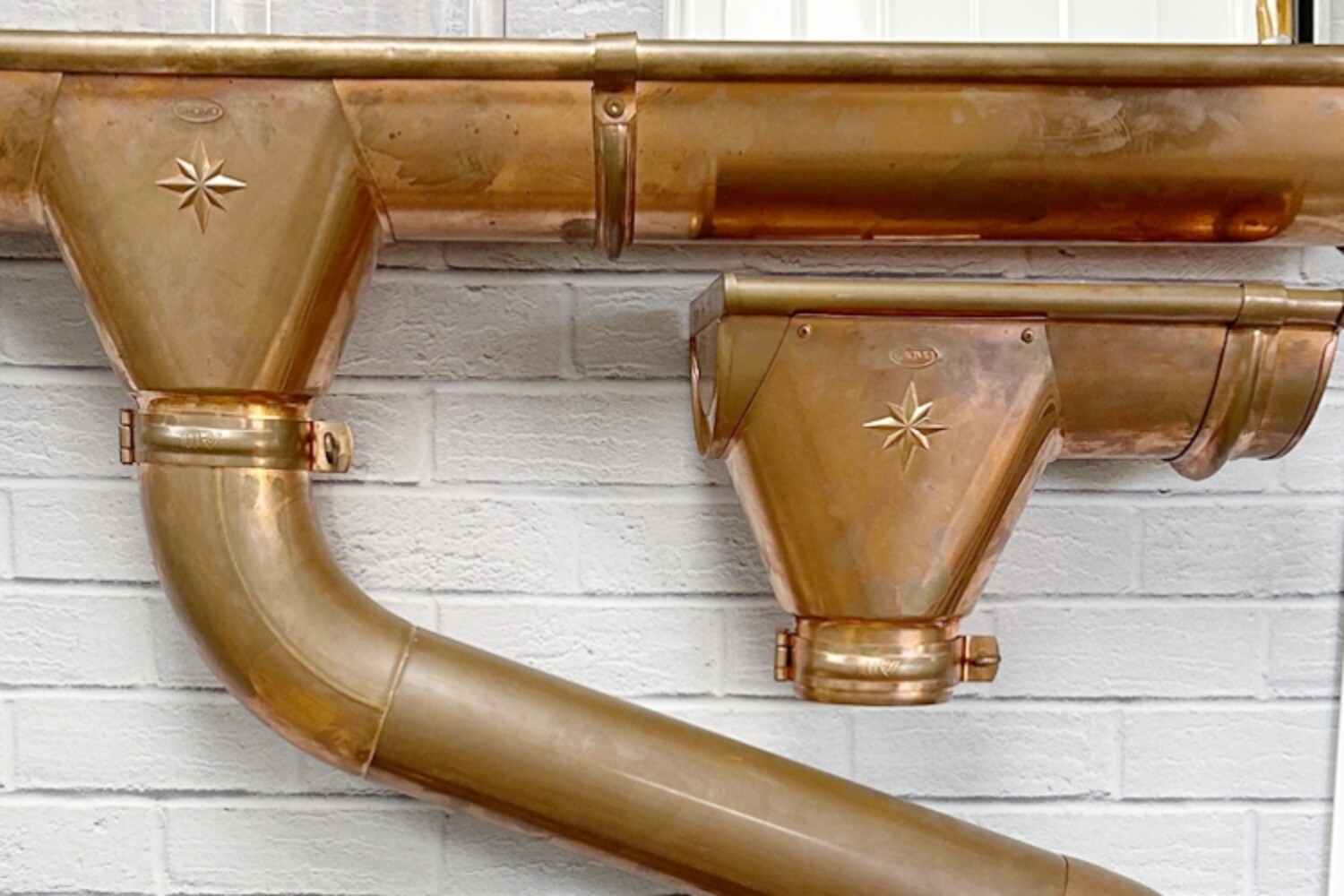
When to use copper gutters vs aluminum in South Florida. Costs, patina, longevity & best applications for premium projects. Wholesale at Classic Metals (305) 822-7737.

How Aluminum Material Delivery Works in Florida: What Contractors Should Expect
How wholesale aluminum delivery works for FL contractors. Coverage areas, delivery scheduling, and will-call pickup at 4 Classic Metals locations. (305) 822-7737.
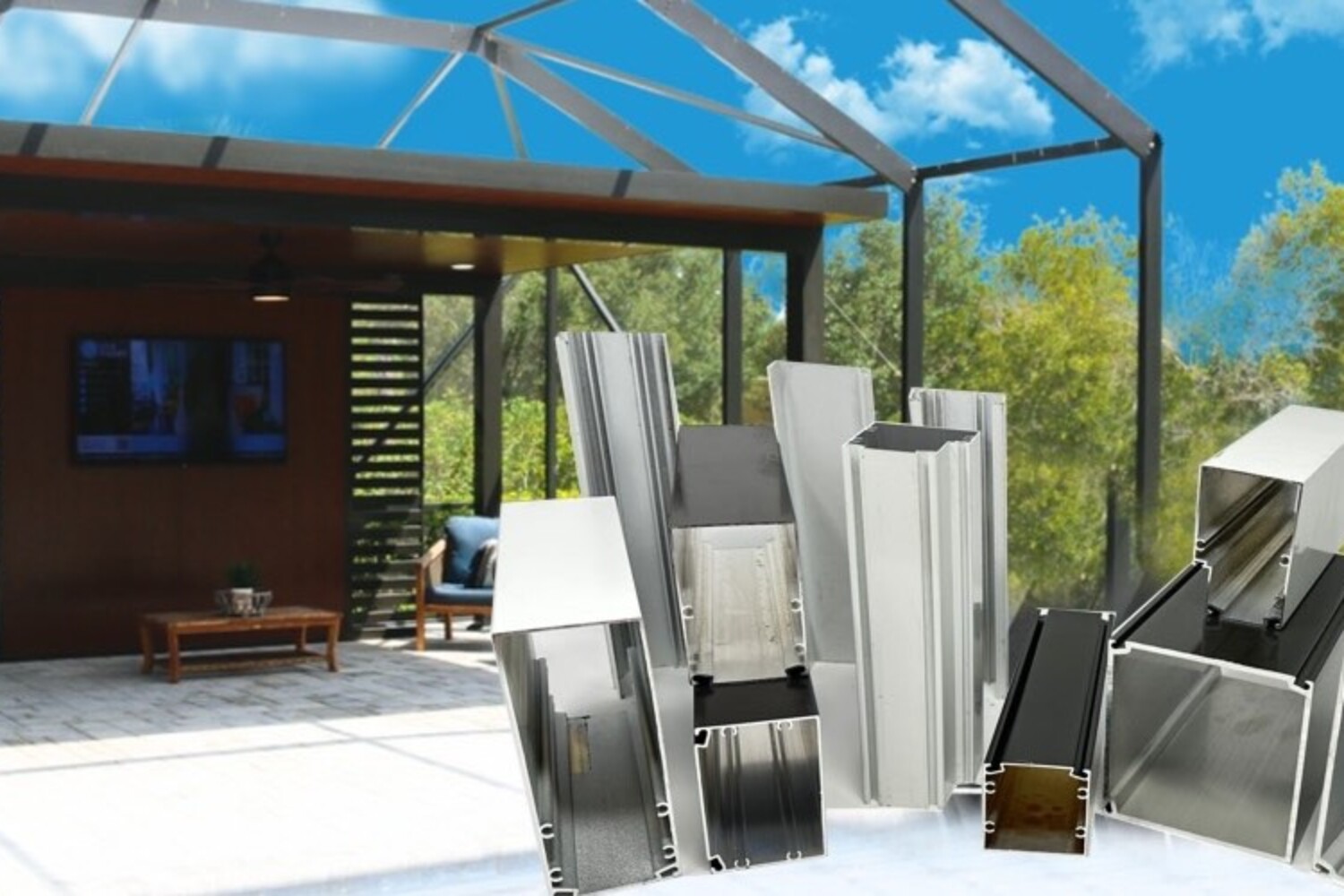
Screen Enclosure Materials Guide for Florida Contractors: Profiles, Mesh Types & Sizing
Complete guide to aluminum screen enclosure profiles, mesh types, and sizing for FL contractors. 7 profile sizes, 4 screen options. Classic Metals (305) 822-7737.

Why Florida Contractors Choose Aluminum Pergolas Over Wood
Why an Aluminum Pergola Contractor in Florida Picks Aluminum Over Wood
Every aluminum pergola contractor in Florida eventually faces the same client question: aluminum or wood? Ten years ago, wood was the default material for outdoor pergola construction in Florida. Today, aluminum has taken over. Licensed contractors across the state have made the switch — and for good reason.
Aluminum pergolas outperform wood in every category that matters to Florida contractors: durability, installation speed, maintenance, code compliance, and long-term profitability. This article explains exactly why aluminum has become the standard and how it benefits both your business and your clients.
Florida-Specific Challenges That Destroy Wood Pergolas
Florida’s climate is uniquely hostile to wood structures. Here are the five environmental factors that make wood a poor choice for outdoor pergola projects in the Sunshine State.
Hurricane-Force Winds
Florida is the most hurricane-prone state in the U.S. Wood pergolas are not engineered for the wind load requirements mandated by the Florida Building Code. Aluminum pergola systems, on the other hand, are specifically designed to meet FBC wind load standards, providing the structural integrity needed for permitted outdoor structures.
Salt Air Corrosion (Coastal Projects)
Coastal projects from Miami to Tampa are exposed to salt-laden air that accelerates deterioration. While salt air corrodes steel fasteners in wood structures, 6063-T5 aluminum is naturally corrosion-resistant and performs exceptionally well in coastal environments when powder coated.
Humidity and Rain
Florida averages 54 inches of rainfall per year, combined with consistently high humidity. Wood absorbs moisture, leading to rot, warping, mold growth, and structural failure over time. Aluminum is completely impervious to water damage.
Termites
Florida ranks #1 in the United States for termite damage. Subterranean and drywood termites cause billions of dollars in damage to Florida structures every year. Aluminum is 100% termite-proof — it simply cannot be eaten, tunneled through, or damaged by insects of any kind.
UV Exposure
Florida’s intense year-round sun exposure causes wood to fade, crack, split, and deteriorate. Wood pergolas require staining or sealing every 1-2 years to maintain appearance. Powder-coated aluminum maintains its color and finish for decades without any UV maintenance.
Contractor Business Advantages of Aluminum
Beyond the material benefits, aluminum pergolas offer significant business advantages for Florida contractors.
Faster Installation Time
Aluminum pergola systems use precision-cut components and engineered bracket connections that install 30-40% faster than traditional wood joinery. Less time on-site means lower labor costs and the ability to take on more projects.
Fewer Callbacks and Warranty Claims
Wood pergolas generate callbacks for warping, cracking, rot, and termite damage — often within the first 2-3 years. Aluminum generates virtually zero material-related callbacks, protecting your reputation and reducing warranty costs.
Higher Profit Margins
Aluminum projects produce less material waste (no on-site cutting errors), have predictable material costs (wholesale pricing from established suppliers), and require fewer labor hours. The result is higher profit per project.
Client Satisfaction
Clients love aluminum pergolas for their modern, clean aesthetic and the fact that they require zero maintenance. No staining, no sealing, no painting. Happy clients mean more referrals and repeat business.
Easier FBC Compliance
Getting a wood pergola to pass Florida building inspection requires custom engineering. Aluminum pergola systems come with FBC-approved profiles that are pre-engineered for Florida wind load requirements, making the permitting and inspection process smoother.
Cost of Ownership: Aluminum vs. Wood Over 10 Years
The real cost comparison is not about upfront price — it is about total cost of ownership over the life of the structure.
| Cost Category | Aluminum Pergola | Wood Pergola |
|---|---|---|
| Initial material cost | $3,500 – $5,000 | $2,800 – $4,000 |
| Installation labor | $1,500 – $2,500 | $2,500 – $4,000 |
| Annual maintenance (10 yrs) | $0 | $300 – $500/year |
| Repairs (rot, termites, warping) | $0 | $1,000 – $3,000 |
| Replacement at year 8-10 | Not needed | $3,000 – $5,000 |
| Total 10-year cost | $5,000 – $7,500 | $12,300 – $21,000 |
Over a 10-year period, aluminum costs 40-60% less than wood when you factor in maintenance, repairs, and eventual replacement. This is a powerful selling point when presenting options to your clients.
What Clients Are Asking For: Florida Outdoor Living Trends
Florida homeowners are investing more than ever in outdoor living spaces. The trends driving demand include:
- Outdoor kitchens and dining areas — require covered, weatherproof structures
- Pool-side pergolas — must be corrosion-resistant and zero-maintenance
- Modern minimalist design — clean lines that only aluminum delivers
- Year-round usability — insulated panel roofs for rain protection and shade
- Smart home integration — aluminum frames accommodate LED lighting, fans, and audio
Over 80% of Florida homeowners now request aluminum for outdoor structures. Contractors who can deliver aluminum pergola solutions are positioned to win more bids and command higher project values.
How to Source Aluminum Pergola Materials Wholesale
Building with aluminum starts with having a reliable wholesale supplier. Here is what to look for:
- FBC-approved product lines like the Pergalum system
- Large in-stock inventory so you are not waiting weeks for materials
- Wholesale pricing exclusively for licensed contractors
- Statewide delivery to reach projects anywhere in Florida
- Technical support from a team that understands outdoor construction
Classic Metals Suppliers checks every box with four Florida locations, a 92,000 sq ft headquarters, and same-week delivery statewide. Whether your project is in Miami, Tampa, or anywhere in between, Classic Metals is built to support Florida’s top aluminum contractors.
Frequently Asked Questions
Is aluminum more expensive than wood for pergolas?
Upfront cost is 15-25% higher for aluminum. However, the total cost of ownership over 10 years is 40-60% lower because aluminum requires zero maintenance, no staining, no sealing, and no replacement of rotted or termite-damaged components.
Can aluminum pergolas withstand Florida hurricanes?
Yes. Aluminum pergola systems are engineered to meet Florida Building Code wind load requirements. FBC-approved materials are available from suppliers like Classic Metals and are required for permitted outdoor structures.
Do clients prefer aluminum or wood pergolas?
Over 80% of Florida homeowners now request aluminum for outdoor structures. The preference is driven by durability, modern aesthetics, and the zero-maintenance benefit that aluminum offers over wood.
How fast can I install an aluminum pergola vs wood?
Aluminum pergolas install 30-40% faster than wood. Precision-cut components and engineered bracket connections eliminate the need for on-site cutting, measuring, and traditional wood joinery.
Where can I buy wholesale aluminum pergola materials in Florida?
Classic Metals Suppliers has four Florida locations in Opa-locka, Miami, West Palm Beach, and Tampa with same-week statewide delivery. Call +1 (305) 822-7737 for wholesale pricing.
Ready to Order?
Contact Classic Metals Suppliers at +1 (305) 822-7737 or info@classicmetals.us for wholesale pricing. Visit any of our four Florida locations in Opa-locka, Miami, West Palm Beach, or Tampa.
Authoritative Sources
- Florida Building Code — Official FBC reference for all outdoor structures
- AAMA (American Architectural Manufacturers Association) — Industry standards for aluminum extrusion quality and finish
- NOAA National Hurricane Center — Historical wind data for Florida counties
Authoritative Sources

Aluminum Pergola Components Guide: Beams, Posts, Rafters & Panels
Understanding Aluminum Pergola Components
Aluminum pergola components — beams, posts, rafters, panels — define every aspect of a finished structure. Every aluminum pergola is a system of interconnected components. Understanding what each part does, how they fit together, and what options are available helps contractors order the right materials the first time and avoid costly mistakes or project delays.
This guide breaks down every component of a modern aluminum pergola system — from structural beams to finish hardware — so you can confidently plan, quote, and build your next outdoor project.
Anatomy of an Aluminum Pergola System
A standard aluminum pergola consists of these core elements working together:
- Posts — vertical supports anchored to the ground or existing structure
- Beams — horizontal members that span between posts
- Rafters — cross members that sit on top of beams
- Brackets and connectors — join components at precise angles
- U-channels and end caps — finish and seal exposed edges
- Hardware — screws, anchors, and fasteners that hold everything together
Optional components like insulated panels, gutter systems, and screen enclosure kits transform a basic pergola frame into a fully functional outdoor living space.
Structural Beams
Beams are the primary horizontal structural members of a pergola. They span the distance between posts and carry the load of rafters and any roof panels installed above.
Key specifications for aluminum pergola beams:
- Material: 6063-T5 extruded aluminum
- Common sizes: 4″x6″, 4″x8″, 6″x8″, and custom profiles
- Load ratings: Engineered for Florida Building Code wind load requirements
- Finish: Powder coated in white, bronze, beige, or custom colors
- Lengths: Standard lengths up to 24 feet; custom cutting available
The beam size you need depends on the span between posts and the load requirements of your project. Longer spans and higher wind load zones require larger beam profiles.
Posts
Posts are the vertical structural supports of your pergola. They transfer loads from the beams down to the foundation. Choosing the right post size is critical for both structural integrity and aesthetics.
| Post Size | Best For | Typical Applications |
|---|---|---|
| 3×3 | Small residential pergolas | Patio covers under 10′ span, decorative structures |
| 4×4 | Standard residential and light commercial | Most patio pergolas, attached structures, carports |
| 6×6 | Large commercial and high wind load areas | Commercial outdoor spaces, coastal projects, wide spans |
All posts are available in standard and custom heights. Standard heights range from 8 to 12 feet, but custom lengths can be cut to specification.
Rafters
Rafters are the cross members that sit on top of the beams, running perpendicular to them. They define the visual pattern of the pergola and provide the structure for optional panel installation.
- Standard spacing: 12″ to 24″ on center, depending on design and load requirements
- Profile options: Flat, curved, or decorative profiles
- Connection method: Bracket-mounted to beams for fast, precise installation
Rafter spacing matters for both aesthetics and function. Closer spacing creates more shade and provides better support for insulated panels or screen systems.
Brackets and Connectors
Brackets and connectors are the engineered joints that hold your pergola together. They replace traditional welding with precision-fit connections that are stronger, faster to install, and easier to maintain.
- Beam-to-post brackets: Connect horizontal beams to vertical posts
- Rafter brackets: Secure rafters to beams at consistent spacing
- Corner connectors: Join beams at 90-degree angles
- Base plates: Anchor posts to concrete footings or existing slabs
- Wall mount brackets: Attach beams to existing structures for attached pergolas
Using factory-engineered brackets ensures FBC compliance and significantly reduces installation time compared to field fabrication.
U-Channels and End Caps
U-channels and end caps provide a clean, finished look to your pergola while also serving functional purposes:
- U-channels: Cover exposed edges of panels and beams, provide water management
- End caps: Seal the open ends of hollow aluminum profiles to prevent water intrusion and nesting
- Color matched: Available in all standard powder coat colors
Hardware: Screws, Anchors, and Fasteners
Quality hardware is the foundation of a durable pergola installation. All fasteners used in aluminum pergola construction should be corrosion-resistant to handle Florida’s humidity, rain, and coastal salt air.
- Self-drilling screws: Stainless steel or coated for aluminum-to-aluminum connections
- Concrete anchors: Wedge anchors or epoxy anchors for post base plates
- Lag bolts: For wall-mount bracket connections to existing structures
- Rivets: For panel-to-frame connections in insulated roof systems
Classic Metals stocks all necessary screws and anchors so you can source your complete hardware kit alongside your structural materials.
Optional Components: Insulated Panels
The CMI Heavy Lock insulated panels transform an open pergola frame into a weatherproof patio cover or outdoor room. These panels snap into the frame using a tongue-and-groove lock system that creates a watertight seal without exposed fasteners.
CMI Heavy Lock panel specifications:
- Thicknesses: 2-inch, 3-inch, 4-inch, and 6-inch options
- Colors: 13+ standard colors including white, sandstone, bronze, clay, and more
- Core: Polyurethane foam insulation for thermal performance
- Skins: Embossed aluminum on both sides
- Span: Up to 24 feet depending on thickness and load requirements
Insulated panels are ideal for Florida projects because they block heat, reduce energy costs for adjacent indoor spaces, and provide a solid, durable roof surface that stands up to hurricanes and heavy rain. View the full insulated panel catalog.
Optional Components: Gutter Integration and Screen Enclosures
Gutter integration is essential for Florida’s heavy rainfall. Integrated gutter systems channel water from insulated panel roofs to downspouts, keeping the area below dry and preventing erosion around the structure.
Screen enclosure add-ons let contractors convert a pergola into a fully screened outdoor room. Screen track systems mount directly to the aluminum frame, creating a bug-free living space that Florida homeowners love.
Material Specifications: 6063-T5 Aluminum
All quality aluminum pergola components are extruded from 6063-T5 aluminum alloy. Here is why this matters:
- Corrosion resistant: Naturally forms a protective oxide layer; ideal for coastal Florida projects
- High strength-to-weight ratio: Strong enough for structural applications while being easy to handle on-site
- Excellent extrudability: Allows complex profile shapes for beams, rafters, and channels
- Powder coat friendly: Takes powder coating finish exceptionally well for long-lasting color
Powder coating adds an additional layer of protection and is available in a wide range of colors. Standard options include white, bronze, beige, clay, and black, with custom colors available on request.
How to Calculate Materials for a Project
Accurate material calculation prevents waste and ensures you have everything on-site when installation begins. Here is the basic process:
- Determine dimensions: Length, width, and desired height of the pergola
- Post count: Minimum of 4 for freestanding; spacing typically 8-12 feet apart
- Beam quantity: Based on span direction and number of bays
- Rafter count: Total width divided by rafter spacing (12″-24″ OC)
- Panels (if applicable): Total roof area divided by panel width
- Hardware: Count all connections and add 10% for contingency
For the most accurate materials list, contact Classic Metals with your project dimensions. Their team will provide a complete bill of materials and wholesale quote at no charge.
Ordering Guide: What to Tell Your Supplier
When you are ready to order, have this information prepared to get the fastest and most accurate quote:
- Project dimensions (length x width x height)
- Freestanding or wall-attached configuration
- Post size preference (3×3, 4×4, or 6×6)
- Open rafter or insulated panel roof
- Panel thickness (if applicable)
- Color selection for all components
- Delivery address and project timeline
- Whether you need gutter integration or screen framing
Download the full Classic Metals product catalog for detailed specifications on every component, including the Pergalum system.
Frequently Asked Questions
What aluminum alloy is used for pergola beams?
6063-T5 aluminum is the industry standard for pergola beams. It offers excellent structural strength for outdoor applications and is naturally corrosion-resistant, making it ideal for Florida’s climate.
What size posts do I need for my pergola?
Use 3×3 posts for small residential pergolas, 4×4 posts for standard projects, and 6×6 posts for large commercial structures or areas with high wind load requirements.
Can I add insulated panels to any aluminum pergola frame?
Yes. CMI Heavy Lock insulated panels are designed to integrate with standard aluminum pergola frames, including the Pergalum system. They are available in 2, 3, 4, and 6-inch thicknesses.
What’s included in a complete pergola materials order?
A complete order includes beams, posts, rafters, brackets, connectors, U-channels, end caps, and all necessary hardware. Insulated panels and gutter systems are ordered separately based on your project design.
How do I calculate how much material I need?
Contact Classic Metals with your project dimensions (length, width, height, and desired rafter spacing) and we will provide a complete materials list and wholesale quote at no charge.
Ready to Order?
Contact Classic Metals Suppliers at +1 (305) 822-7737 or info@classicmetals.us for wholesale pricing. Visit any of our four Florida locations in Opa-locka, Miami, West Palm Beach, or Tampa.
Authoritative Sources
- The Aluminum Association — Alloy designations, temper codes, and extrusion standards
- AAMA — Architectural aluminum quality specifications (AAMA 2603, 2604, 2605)
- Florida Building Code — Structural requirements for outdoor aluminum assemblies
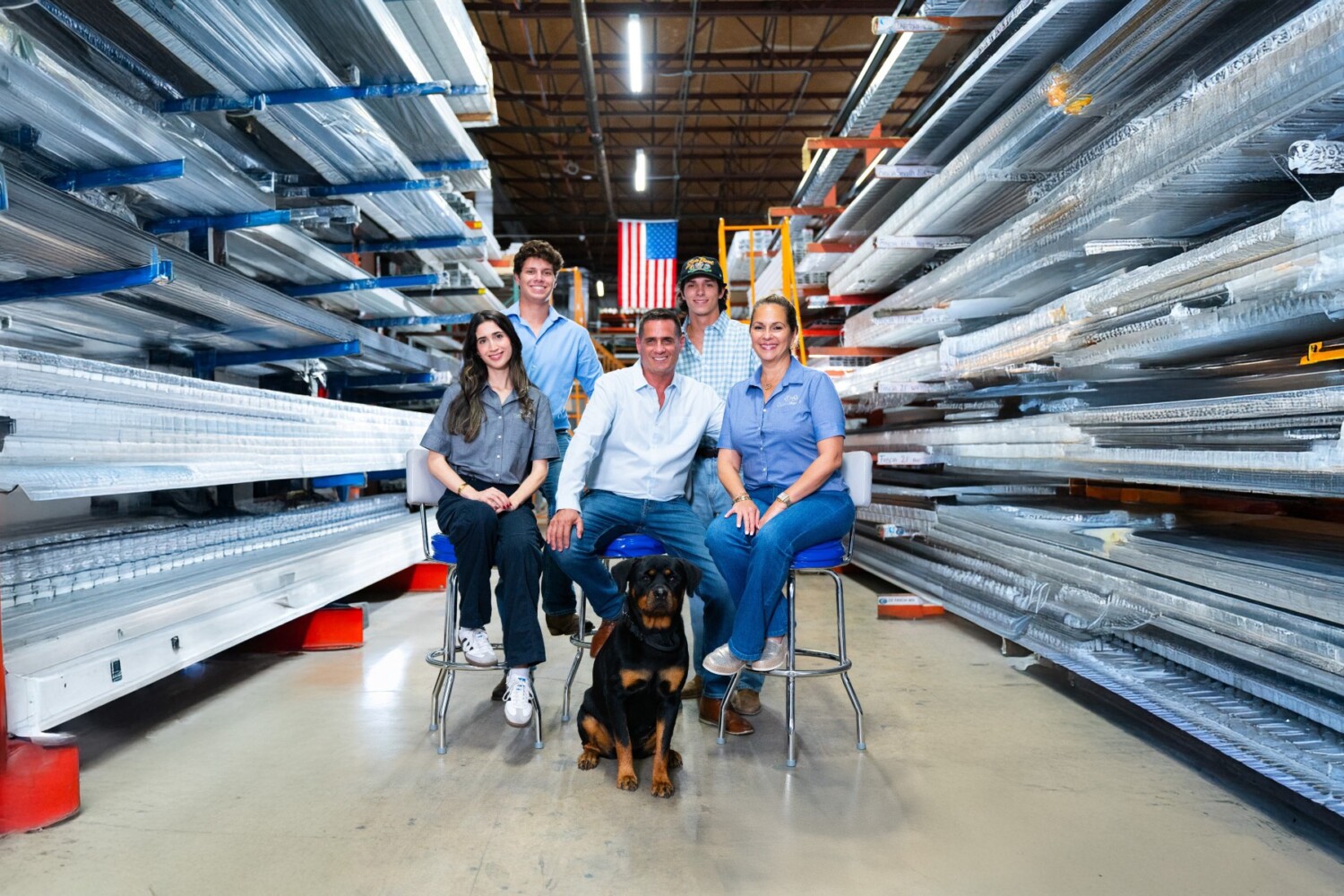
How to Choose the Right Aluminum Pergola Supplier in Florida
How to Choose an Aluminum Pergola Supplier in Florida
Choosing an aluminum pergola supplier in Florida shapes your lead times, FBC compliance, and margins on every project. Finding a reliable aluminum pergola supplier is one of the most important decisions a Florida contractor can make. The wrong supplier means delays, code compliance issues, and unhappy clients. The right one becomes a long-term partner that makes every outdoor project smoother and more profitable.
This guide walks you through exactly what to evaluate when choosing an aluminum pergola supplier in Florida, with a practical checklist you can use before placing your first order.
What to Look For in an Aluminum Pergola Supplier: The Complete Checklist
Before you commit to any supplier, run them through this checklist. A strong supplier should check every box.
| Criteria | Why It Matters | Must-Have? |
|---|---|---|
| FBC-approved materials | Required for permitted projects in Florida | Yes |
| Wholesale pricing for contractors | Protects your margins on every project | Yes |
| Large in-stock inventory | Avoids project delays and backorders | Yes |
| Statewide delivery | Take projects anywhere in Florida | Yes |
| Technical support and consultation | Help with material selection and project planning | Yes |
| Multiple warehouse locations | Faster pickup and delivery statewide | Recommended |
| Product showroom | See and touch materials before ordering | Recommended |
FBC-Approved Materials: Why This Is Non-Negotiable in Florida
Florida contractors know that every permitted outdoor structure must use materials that comply with the Florida Building Code (FBC). This includes pergolas, patio covers, carports, and screen enclosures.
If your supplier cannot provide FBC-approved aluminum profiles, your project risks failing inspection. That means rework, delays, and potential liability. Always ask for FBC compliance documentation before placing an order.
FBC-approved aluminum pergola materials are engineered for Florida’s wind load requirements, which is critical in hurricane-prone regions along the coast and throughout South Florida.
Wholesale vs. Retail Pricing: Protecting Your Profit Margins
The difference between wholesale and retail pricing on aluminum pergola materials is significant. Contractors who buy at retail are leaving money on the table.
- Wholesale pricing is typically 20-40% lower than retail prices
- Requires a valid contractor license or business account
- Orders are placed in bulk quantities (full lengths, bundles)
- Direct relationship with the supplier means better service
A reliable wholesale supplier gives you predictable material costs, which makes it easier to quote projects accurately and maintain healthy profit margins.
Inventory Availability and Lead Times
Nothing kills a project timeline like waiting for materials. The best aluminum pergola suppliers maintain large, in-stock inventory of the most common profiles, panels, and hardware.
When evaluating a supplier, ask these questions:
- Do you stock the most popular beam and post sizes?
- What is your typical lead time for standard orders?
- Can you handle rush orders if a project timeline moves up?
- What is your minimum order quantity?
Suppliers with large warehouse facilities — like a 92,000-square-foot headquarters — can stock far more inventory than small distributors, which translates to faster fulfillment for your projects.
Statewide Delivery Capability
Florida is a big state. A supplier based only in Miami may not be practical for projects in Tampa, Jacksonville, or the Panhandle. Look for a supplier with multiple warehouse locations and a proven statewide delivery network.
Delivery considerations include:
- Coverage area (statewide vs. regional)
- Delivery speed (same-week delivery is the benchmark)
- Delivery fleet size and reliability
- Ability to handle long-length aluminum profiles safely
Having access to statewide delivery service means you can take projects anywhere in Florida without worrying about material logistics.
Technical Support and Project Consultation
A great supplier does more than just ship materials. They serve as a technical resource for your team. This is especially valuable when you are working with a new product system or tackling a complex custom project.
Look for suppliers that offer:
- Material selection guidance based on project specifications
- Wind load and structural recommendations
- Custom cutting and fabrication services
- Help with product catalogs and specification sheets
Red Flags to Avoid When Choosing a Supplier
Not all suppliers are equal. Watch out for these warning signs:
- No FBC documentation available — if they can’t provide it, their materials may not be compliant
- Constantly out of stock — small inventory means frequent delays
- No dedicated contractor support — you’re just another customer in line
- Hidden fees on delivery — get a clear delivery schedule and cost upfront
- No physical location you can visit — legitimate suppliers have warehouses and showrooms
- No track record — look for suppliers with years of proven Florida experience
Why Classic Metals Checks All the Boxes
Classic Metals Suppliers has been serving Florida contractors since 2013. Here is why hundreds of contractors across the state choose Classic Metals as their primary aluminum pergola supplier:
- 4 Florida locations: Opa-locka, Miami, West Palm Beach, and Tampa
- 92,000 sq ft headquarters with massive in-stock inventory
- FBC-approved products including the Pergalum system and CMI insulated panels
- 70+ employees dedicated to contractor support
- Same-week statewide delivery across all of Florida
- Wholesale pricing exclusively for licensed contractors
- Technical consultation for project planning and material selection
Whether you are building a residential patio pergola or a large commercial outdoor structure, Classic Metals has the inventory, expertise, and logistics to keep your project on schedule and on budget.
Frequently Asked Questions
What should I look for in an aluminum pergola supplier?
Look for FBC-approved materials, wholesale pricing, large in-stock inventory, fast statewide delivery, and dedicated technical support for contractors. A supplier with multiple warehouse locations and a physical showroom is ideal.
Do I need FBC-approved materials for my pergola project?
Yes. In Florida, all permitted outdoor structures require materials that comply with the Florida Building Code. Using FBC-approved aluminum ensures your project passes inspection without issues.
What’s the difference between wholesale and retail aluminum pricing?
Wholesale pricing is typically 20-40% less than retail. It requires a valid contractor license and orders are placed in bulk quantities directly from the supplier warehouse.
How fast can I get aluminum pergola materials delivered in Florida?
Classic Metals delivers statewide within the same week from four warehouse locations in Opa-locka, Miami, West Palm Beach, and Tampa.
Can I visit a warehouse to see pergola materials before ordering?
Yes. Classic Metals has four Florida showrooms where you can see materials in person: Opa-locka, Miami, West Palm Beach, and Tampa. Walk-ins are welcome.
Ready to Order?
Contact Classic Metals Suppliers at +1 (305) 822-7737 or info@classicmetals.us for wholesale pricing. Visit any of our four Florida locations in Opa-locka, Miami, West Palm Beach, or Tampa.
Authoritative Sources
- Florida DBPR — Verify contractor and supplier licensing
- Florida Building Code Online — Product approval search for FBC-compliant materials
- AAMA — Industry quality standards to verify with any supplier
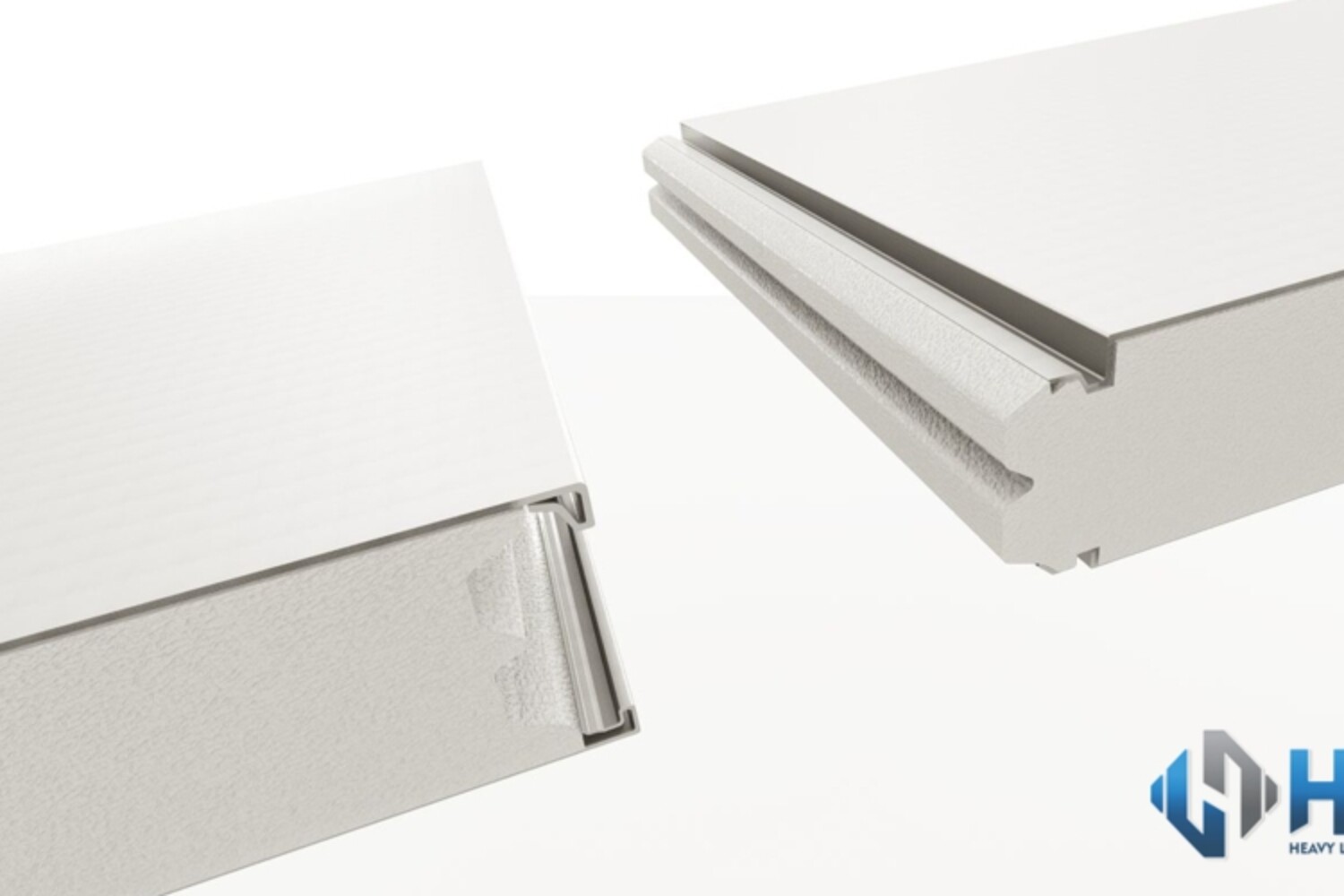
Insulated Panel Roof vs. Open Rafter Pergola: Pros, Cons & Costs
Insulated Panel Pergola vs Open Rafter: Pros, Cons & Costs
The choice of insulated panel pergola vs open rafter roof drives both cost and the experience your client gets year-round. When designing an outdoor living project for a Florida client, one of the most impactful decisions is the roof system: insulated panel roof or open rafter (lattice/shade) design. Both options use aluminum structural frameworks, but they deliver fundamentally different experiences in terms of weather protection, comfort, aesthetics, and cost.
This guide provides a clear comparison to help contractors recommend the right solution for each client’s needs and budget.
Side-by-Side Comparison
| Feature | Insulated Panel Roof | Open Rafter / Lattice |
|---|---|---|
| Rain Protection | Complete — 100% waterproof | None — rain passes through |
| Sun / UV Protection | Complete — blocks all UV | Partial — filtered shade only |
| Heat Reduction | Significant — insulated core reduces heat transfer | Minimal — air temperature unchanged |
| Wind Rating | FBC-approved for Florida wind zones | Varies; typically lower rated |
| Usability in Rain | Full use during rain | Not usable during rain |
| Material Cost | Higher | Lower |
| Color Options | 13 standard colors | Standard powder coat colors |
| Aesthetic | Clean, modern solid roof | Open, airy, traditional pergola look |
| Best For | Year-round outdoor living, outdoor kitchens, entertainment areas | Decorative shade, garden features, visual accent |
Weather Protection: The Defining Difference
The single biggest functional difference between insulated panels and open rafters is weather protection. In Florida, where afternoon thunderstorms occur almost daily from June through September, this distinction has a massive impact on how clients use their outdoor space.
Insulated Panel Roof
An insulated panel roof creates a fully enclosed ceiling that is 100% waterproof. Rain, hail, and debris are completely blocked. The space beneath remains dry and usable regardless of weather conditions. This means outdoor kitchens, dining areas, and living spaces can be used year-round without interruption.
Open Rafter / Lattice
An open rafter pergola provides partial shade through spaced rafters or lattice slats, but offers zero rain protection. During Florida’s frequent afternoon storms, the space underneath becomes unusable. Furniture, electronics, and outdoor kitchen equipment are exposed to water damage unless separately covered.
Energy Efficiency and Comfort
Florida’s intense sun creates surface temperatures that can exceed 150 degrees Fahrenheit on exposed surfaces. The roof system you choose directly affects the comfort level beneath the structure.
Insulated panels feature a foam core (polyurethane or polystyrene) sandwiched between two aluminum skins. This construction dramatically reduces heat transfer from the sun-heated outer surface to the underside of the roof. The result is a covered area that can be 15 to 25 degrees cooler than an uncovered patio, reducing reliance on fans and misting systems.
Open rafter designs do not meaningfully reduce air temperature. While they provide some shade from direct sun, they do not block radiant heat or reduce ambient temperature beneath the structure.
For outdoor kitchens, dining areas, and entertainment spaces where client comfort is paramount, insulated panels deliver a qualitatively better experience.
Aesthetics and Design Options
Both roof types offer attractive design options, but they serve different aesthetic goals:
Insulated Panels
Classic Metals insulated panels are available in 13 standard colors, ranging from traditional white and sandstone to contemporary bronze and charcoal. The solid, clean lines of an insulated panel roof create a modern, finished appearance that integrates seamlessly with the home’s architecture. Interior ceiling options include smooth and textured finishes.
Open Rafter
Open rafter pergolas offer a more traditional aesthetic with visible structural elements, light and shadow patterns, and an airy feel. They work well as garden features, walkway covers, and decorative accents where full weather protection is not required. The open design also allows climbing plants and vines for a natural look.
Cost Comparison
Insulated panel systems carry a higher material cost than open rafter designs, typically adding 25% to 40% to the material budget for the same footprint. However, this comparison requires context:
- Usable space value: An insulated panel roof creates a year-round usable outdoor room. An open rafter creates a fair-weather shade structure. The per-square-foot value of fully protected outdoor space is significantly higher.
- Client willingness to pay: Florida homeowners increasingly expect full weather protection from outdoor living investments. Insulated panel projects command higher contract values and generate more referrals.
- Reduced accessory costs: With insulated panels, clients spend less on supplementary shade solutions, weatherproof furniture covers, and equipment protection.
- Contractor margins: The higher material cost of insulated panels is typically offset by higher project values and better margins per project.
Best Use Cases for Each
When to Recommend Insulated Panels
- Outdoor kitchens and dining areas
- Pool deck covers and entertainment areas
- Commercial patio covers (restaurants, bars, hotels)
- Carports and vehicle covers
- Any application requiring year-round weather protection
- Projects in high wind zones requiring FBC-approved materials
When to Recommend Open Rafter
- Decorative garden pergolas and walkways
- Landscape accent structures
- Budget-conscious projects where shade is the primary goal
- Properties where the traditional pergola aesthetic is preferred
- Secondary structures complementing a main covered patio
Why Florida Contractors Now Default to Insulated Panels
Over the past five years, the Florida outdoor living market has shifted decisively toward insulated panel systems. Contractors report that clients increasingly expect full weather protection as a baseline, not a premium add-on. The reasons are straightforward:
- Client expectations have evolved: Florida homeowners now view outdoor living spaces as extensions of the indoor living area and expect the same level of comfort and protection.
- ROI for homeowners: Fully covered outdoor spaces add measurable value to Florida properties, while open pergolas are viewed as decorative rather than functional.
- Repeat business: Contractors who install insulated panel systems report higher client satisfaction and more referral business than those who primarily install open rafter designs.
- Code compliance: FBC-approved insulated panels simplify the engineering and permitting process compared to custom open rafter designs that may require individual engineering review.
Frequently Asked Questions
What is an insulated panel pergola roof?
An insulated panel pergola roof uses solid aluminum panels with a foam core (typically polyurethane or polystyrene) sandwiched between two aluminum skins. This construction provides complete weather protection, thermal insulation, and structural rigidity while maintaining a clean, modern appearance.
What is an open rafter pergola?
An open rafter pergola uses spaced aluminum or wood rafters without a solid roof covering. Some designs include lattice slats for partial shade. Open rafter pergolas provide filtered sunlight and airflow but do not protect against rain, and they offer limited heat reduction.
Are insulated panels more expensive than open rafter pergolas?
Yes. Insulated panel systems have a higher material cost than open rafter designs, typically adding 25% to 40% to the material budget. However, the additional cost delivers complete weather protection, improved energy efficiency, and higher client satisfaction — which often translates to higher project margins for contractors.
How many colors are available for insulated panels?
Classic Metals offers insulated panels in 13 standard colors, ranging from white and sandstone to bronze and dark gray. This color selection allows contractors to match virtually any home exterior or design preference without custom color upcharges.
Can I convert an open rafter pergola to insulated panels later?
In some cases, yes — but it depends on the structural capacity of the existing framework. Insulated panels add weight and wind load that the original open rafter design may not have accounted for. It is more cost-effective and structurally sound to specify the correct roof type from the start.
Ready to offer your clients the best in outdoor comfort?
Explore our Insulated Panel systems and Pergalum aluminum profiles for your next project.
Ready to Order?
Contact Classic Metals Suppliers at +1 (305) 822-7737 or info@classicmetals.us for wholesale pricing. Visit any of our four Florida locations in Opa-locka, Miami, West Palm Beach, or Tampa.
Related Reading for Florida Contractors
Explore more on pergola roof systems, code compliance, and cost:
- Florida Building Code Requirements for Aluminum Pergolas
- Hurricane-Rated Outdoor Structures: What Contractors Need to Know
- Aluminum Pergola Materials Cost: 2026 Wholesale Pricing
- Aluminum Pergola Insulated Panels Guide
- Pergola Components Guide: Beams, Posts, Rafters & Panels
Ready to spec insulated panels or open rafters? Call (305) 822-7737 for wholesale pricing and stock availability.
Authoritative Sources
- Florida Building Code — Section on patio covers, carports, and insulated roof assemblies
- U.S. Department of Energy — Insulation R-value guidance
- AAMA — Aluminum panel finish specifications
Hurricane-Rated Outdoor Structures: What Florida Contractors Need to Know
Hurricane Rated Outdoor Structures in Florida: What Contractors Need
Specifying hurricane rated outdoor structures in Florida means understanding wind zones, FBC product approvals, and HVHZ requirements. Florida is the most hurricane-prone state in the United States. Between 2000 and 2025, the state experienced direct impacts from more than 30 named storms, including multiple Category 4 and Category 5 hurricanes. For contractors building outdoor structures, hurricane resistance is not a selling point — it is a legal requirement, an insurance necessity, and a matter of public safety.
This guide covers everything Florida contractors need to know about hurricane-rated outdoor structures, from wind load zones and building code requirements to material selection and pre-purchase verification checklists.
Building Codes, Insurance, and Safety
Hurricane ratings for outdoor structures exist at the intersection of three critical areas:
Florida Building Code Compliance
The Florida Building Code requires every outdoor structure to resist the design wind speed for its specific location. Structures that fail to meet these requirements cannot receive a building permit, will fail inspection, and must be removed or rebuilt. There are no exceptions — the code applies to residential, commercial, and agricultural structures equally.
Insurance Requirements
Florida homeowner insurance policies require permitted, code-compliant construction. An outdoor structure that is not built to current wind load standards may void coverage — not just for the structure itself, but potentially for damage the structure causes to the home during a storm. Contractors who install non-compliant structures expose themselves and their clients to significant financial risk.
Life Safety
A poorly constructed outdoor structure becomes airborne debris in a hurricane. Flying aluminum panels, wood beams, and roof sections cause injuries, fatalities, and damage to adjacent properties. Hurricane-rated materials and engineered connections keep structures intact and prevent them from becoming projectiles.
Types of Outdoor Structures That Need Wind Ratings
Every outdoor structure that requires a building permit must meet wind load requirements. The most common types include:
- Pergolas: Both attached and freestanding, including open-rafter and solid-roof designs.
- Patio covers: Solid-roof structures attached to the home, requiring both structural and roof panel wind ratings.
- Carports: Freestanding or attached vehicle shelters, classified as accessory structures under the FBC.
- Screen enclosures: Pool cages and lanai enclosures, which must resist both wind pressure and screen panel uplift.
- Awnings and shade structures: Retractable and fixed awning systems over a certain size threshold.
Wind Load Zones in Florida
Florida’s wind load requirements are mapped based on geographic location, terrain exposure, and proximity to the coast. Understanding your project’s wind zone is the first step in selecting appropriate materials.
| Zone | Design Wind Speed | Coverage Area |
|---|---|---|
| HVHZ (High-Velocity Hurricane Zone) | 175+ mph | Miami-Dade and Broward counties |
| Wind-Borne Debris Region | 140–170 mph | Coastal areas from Keys to Space Coast |
| Standard Coastal | 130–150 mph | Gulf Coast, Panhandle coastal |
| Inland | 130–140 mph | Central Florida, North Florida interior |
Note that exposure category (B, C, or D) also affects the required design pressure. Structures near open water or in open terrain face higher wind pressures than those in suburban settings with surrounding buildings and trees.
How Aluminum Outperforms Wood in Hurricanes
Material choice directly affects hurricane performance. Here is why aluminum consistently outperforms wood in extreme wind events:
- No splitting or cracking: Wood fails at fastener points under extreme loads — nails and screws pull through or split the grain. Aluminum connections maintain their integrity because the material does not split.
- Consistent material properties: Every piece of extruded aluminum has identical structural properties. Wood varies by grain direction, moisture content, knots, and defects, creating unpredictable weak points.
- Corrosion resistance: Wood fasteners and connectors rust in Florida’s humid, salt-air environment, weakening connections over time. Aluminum hardware maintains its rated strength indefinitely.
- No degradation over time: Wood loses structural capacity as it ages, dries, cracks, and decays. Aluminum maintains its original engineering properties for the life of the structure.
- Impact resistance: Aluminum absorbs impact energy from flying debris better than wood, which tends to shatter and fragment on impact.
Key Features of Hurricane-Rated Materials
When selecting materials for hurricane-rated outdoor structures, contractors should verify the following features:
- Valid FBC product approval: A current Florida Building Code approval number (e.g., FL #041706.1 for Classic Metals Heavy Lock Panels) confirming the product has been tested and approved for Florida construction.
- Published load tables: Manufacturer-provided span and load tables showing the product’s rated wind and dead load capacities for various configurations.
- Engineered connection details: Specified fastener types, spacing, and connection methods that have been tested as part of the product approval.
- Miami-Dade NOA (if applicable): For projects in the HVHZ, a current Notice of Acceptance from the Miami-Dade Product Control Division.
- Corrosion-resistant finishes: Powder coat or anodized finishes that protect the material from the corrosive coastal Florida environment.
How Classic Metals Materials Meet Hurricane Requirements
Classic Metals Suppliers provides a complete line of hurricane-rated aluminum materials designed specifically for the Florida market:
- Heavy Lock Panels (HLP): FBC approval FL #041706.1 — insulated panels engineered for Florida wind zones including the HVHZ.
- Structural aluminum profiles: Beams, posts, and rafters available in multiple gauges to match any wind load requirement.
- Engineered connection hardware: All hardware specified and tested as part of the system’s FBC approval.
- Complete documentation packages: Product approvals, load tables, and engineering specs provided with every order to streamline the permit process.
Contractor Checklist: What to Verify Before Buying Materials
Before purchasing materials for any hurricane-rated outdoor structure project, verify the following:
- Confirm the project’s specific wind zone and design wind speed
- Verify the product carries a current FBC approval number
- Confirm Miami-Dade NOA if the project is in the HVHZ
- Review the manufacturer’s load tables for your specific span and configuration
- Verify that all connection hardware is specified and included
- Confirm the product’s corrosion resistance rating for coastal applications
- Request documentation package for the permit application
- Verify delivery timeline aligns with your project schedule
Frequently Asked Questions
What wind speed rating do outdoor structures need in Florida?
Required wind speed ratings in Florida range from 130 mph in inland areas to 175 mph or higher in the High-Velocity Hurricane Zone (Miami-Dade and Broward counties). The specific requirement depends on the structure’s location, exposure category, and risk classification as defined by the Florida Building Code.
Do pergolas need to be hurricane rated in Florida?
Yes. Any permitted outdoor structure in Florida — including pergolas, patio covers, and carports — must be designed to resist the wind loads specified by the Florida Building Code for its geographic location. This effectively means all permitted structures must be hurricane-rated to some degree.
How do aluminum structures perform in hurricanes compared to wood?
Aluminum structures significantly outperform wood in hurricanes. Aluminum does not split, crack, or suffer fastener pullout the way wood does under extreme wind loads. Engineered aluminum connections maintain their integrity, while wood joints are prone to catastrophic failure under sustained high winds and flying debris impact.
What documentation do I need for hurricane-rated outdoor structures?
Contractors need product approval documentation (FBC approval number or Miami-Dade NOA), sealed engineering drawings for the specific structure, manufacturer load tables, installation specifications, and inspection-ready product labels or stamps. Your material supplier should provide approval documentation with every order.
Does homeowner insurance require hurricane-rated outdoor structures?
Most Florida homeowner insurance policies require that all structures on the property be built to code. An outdoor structure that is not built to current FBC wind load requirements may not be covered by the policy and could even affect coverage for the main dwelling if it causes damage during a storm.
Building hurricane-rated outdoor structures in Florida?
Explore our Insulated Panel systems and Screen Enclosure products — all FBC-approved for Florida wind zones.
Ready to Order?
Contact Classic Metals Suppliers at +1 (305) 822-7737 or info@classicmetals.us for wholesale pricing. Visit any of our four Florida locations in Opa-locka, Miami, West Palm Beach, or Tampa.
Related Reading for Florida Contractors
Continue building your hurricane-rated outdoor structure expertise with these guides:
- Florida Building Code Requirements for Aluminum Pergolas & Patio Covers
- Insulated Panel Roof vs. Open Rafter Pergola
- Aluminum Pergola Insulated Panels Guide
- Screen Enclosure Materials Guide for Florida Contractors
- Aluminum Pergola Materials Cost Guide
Source HVHZ-compliant aluminum structures from Classic Metals: (305) 822-7737.
Authoritative Sources
- Florida Building Code — HVHZ (High-Velocity Hurricane Zone) requirements for Miami-Dade and Broward
- ASCE 7 Minimum Design Loads — Wind load calculation methodology referenced by FBC
- NOAA National Hurricane Center — Historical hurricane data and wind speed records
- Miami-Dade Building Department — NOA (Notice of Acceptance) product approval search
How Much Do Aluminum Pergola Materials Cost? 2026 Wholesale Pricing Guide
Aluminum Pergola Materials Cost: 2026 Wholesale Pricing
Understanding the real aluminum pergola materials cost is what separates accurate bids from money-losing ones. One of the most frequent questions contractors ask when planning an aluminum pergola project is: how much will the materials cost? Pricing varies significantly based on the type of profiles, panel systems, finishes, and quantities — and the difference between retail and wholesale can make or break a project’s profitability.
This guide provides a transparent overview of aluminum pergola material pricing in 2026, covering the key cost factors, wholesale vs. retail pricing, and practical strategies for getting the best value on your next project.
General Price Ranges for Aluminum Pergola Components
Aluminum pergola systems consist of several component categories, each with its own pricing range. Understanding these categories helps contractors estimate project costs accurately:
Structural Profiles (Posts, Beams, Rafters)
Aluminum structural profiles — including posts, main beams, and rafters — form the skeleton of every pergola. Pricing depends on the profile’s cross-section dimensions, wall thickness, and alloy grade. Heavier-gauge profiles designed for high wind loads cost more than standard residential profiles, but they provide the engineering margins needed for Florida building code compliance.
Roof Panels
The roof system is typically the single largest material cost in a pergola project. Options range from open lattice or shade slats (least expensive) to solid insulated panels (most expensive, but highest performance). Insulated panels provide weather protection, thermal efficiency, and structural rigidity that open systems cannot match.
Connectors, Hardware, and Accessories
Brackets, screws, anchors, gutter systems, trim pieces, and finishing accessories typically account for 10% to 15% of total material cost. Using the manufacturer-specified hardware is essential for maintaining FBC approval and structural integrity.
Powder Coat Finish
Most aluminum pergola profiles come with a factory-applied powder coat finish. Standard colors (white, bronze, sandstone) are typically included in the base price. Custom or premium colors may carry an upcharge. The powder coat provides corrosion resistance and UV protection that eliminate the need for painting or staining.
Factors That Affect Pricing
Several variables influence the final cost of aluminum pergola materials for any given project:
- Profile thickness and wall gauge: Heavier-gauge profiles cost more per linear foot but are required for high wind load applications and larger spans.
- Panel type: Insulated panels cost more than open rafter components but deliver weather protection, energy efficiency, and structural value that justify the premium.
- Finish: Standard powder coat colors are included; custom colors or specialty finishes add cost.
- Order quantity: Volume orders receive better per-unit pricing. Contractors who batch multiple projects into a single order can achieve significant savings.
- Delivery distance: Proximity to a warehouse location reduces delivery costs. Classic Metals’ four Florida locations minimize delivery distances for most of the state.
Wholesale vs. Retail Pricing
The pricing difference between wholesale and retail channels is substantial in the aluminum outdoor living materials market. Understanding this gap is critical for contractor profitability.
| Channel | Typical Pricing | Advantages |
|---|---|---|
| Retail (home improvement stores) | Full retail markup | Convenient for small purchases |
| Online retailers | Retail minus 5–15% | Price comparison, some discounts |
| Wholesale distributor | 20–40% below retail | Best pricing, volume discounts, technical support, delivery |
Wholesale pricing through a distributor like Classic Metals is typically 20% to 40% below retail for comparable products. This margin makes a meaningful difference on every project and can be the difference between a competitive bid and a lost job.
How to Get the Best Wholesale Pricing as a Contractor
Maximizing your material cost efficiency requires a strategic approach to purchasing:
- Build a relationship with a distributor: Consistent ordering volume with one supplier typically yields better pricing over time than shopping around for each project.
- Batch orders: Combining materials for multiple projects into a single order increases your volume and improves per-unit pricing.
- Standardize your profiles: Using a consistent set of profiles across projects reduces waste and allows you to maintain a small inventory of commonly used components.
- Plan ahead: Rush orders and expedited shipping cost more. Ordering with adequate lead time allows for the best pricing and delivery scheduling.
- Ask about contractor programs: Many distributors offer contractor loyalty programs, credit terms, and project-based pricing that go beyond standard wholesale rates.
Why Buying from a Distributor Saves Money vs. Retail
Beyond the per-unit price difference, working with a wholesale distributor like Classic Metals provides cost advantages that do not appear on the price list:
- Technical support: Distributors help you select the right profiles and panel systems for each project, preventing costly over-specification or under-specification.
- FBC documentation: Approved distributors provide the product approval documentation needed for permits, saving you time and potential permit delays.
- Inventory availability: Distributors maintain warehouse stock for fast fulfillment. Retail channels frequently have limited or no inventory for specialty aluminum profiles.
- Delivery service: Direct delivery from warehouse to jobsite eliminates the time and vehicle wear of picking up materials yourself.
- Reduced waste: Expert guidance on material takeoffs reduces over-ordering and waste.
Cost Breakdown Example: Typical 12×16 Pergola Project
To illustrate typical material cost allocation, here is an approximate breakdown for a standard 12-foot by 16-foot residential pergola project using aluminum profiles and insulated panels:
| Component | Approx. % of Material Cost |
|---|---|
| Structural profiles (posts, beams, rafters) | 30–35% |
| Roof panels (insulated) | 35–40% |
| Connectors, hardware, fasteners | 10–12% |
| Gutters, trim, finishing accessories | 8–10% |
| Powder coat finish (if custom) | 0–5% |
For the most accurate pricing on your specific project, contact Classic Metals directly with your dimensions, profile preferences, and panel type for a detailed wholesale quote.
Frequently Asked Questions
How much do aluminum pergola materials cost per square foot?
Aluminum pergola materials typically range from $15 to $45 per square foot at wholesale pricing, depending on profile thickness, finish, panel type (open rafter vs. insulated), and order quantity. Wholesale pricing through a distributor like Classic Metals is generally 20% to 40% below retail.
Is it cheaper to buy aluminum pergola materials wholesale?
Yes. Wholesale pricing is typically 20% to 40% lower than retail pricing for aluminum pergola components. Distributors like Classic Metals offer volume discounts, direct-from-inventory pricing, and contractor-only rates that significantly reduce material costs.
What factors affect aluminum pergola material pricing?
The main factors are profile thickness and wall gauge, powder coat finish (standard vs. custom colors), panel type (open rafter vs. insulated), order quantity, and delivery distance. Thicker profiles and insulated panels cost more but provide greater structural capacity and energy efficiency.
Does Classic Metals offer delivery for aluminum pergola materials?
Yes. Classic Metals provides reliable delivery service across all Florida counties from four warehouse locations in Opa-locka, Miami, West Palm Beach, and Tampa. Delivery scheduling and costs depend on order size and distance.
How do I get a wholesale quote from Classic Metals?
Contact Classic Metals at +1 (305) 822-7737 or email info@classicmetals.us with your project specifications including dimensions, profile preferences, and panel type. Their team will provide a detailed wholesale quote based on your specific requirements.
Looking for wholesale aluminum pergola materials?
Browse our Pergalum product catalog or download our full catalog for specifications and profiles.
Ready to Order?
Contact Classic Metals Suppliers at +1 (305) 822-7737 or info@classicmetals.us for wholesale pricing. Visit any of our four Florida locations in Opa-locka, Miami, West Palm Beach, or Tampa.
Related Reading for Florida Contractors
More on pergola specification, sourcing, and code compliance:
- Florida Building Code Requirements for Aluminum Pergolas
- Aluminum vs. Wood Pergola Comparison
- Insulated Panel Roof vs. Open Rafter Pergola
- How to Choose the Right Aluminum Pergola Supplier in Florida
- Where to Buy Pergola Materials in Florida
Request current wholesale pricing: (305) 822-7737 or toll-free (888) 638-2501.
Authoritative Sources
- The Aluminum Association — Aluminum pricing and market data
- BLS Producer Price Index — Track aluminum mill product price trends
- Florida Building Code — Material requirements that affect cost spec
Aluminum vs. Wood Pergola: Which Lasts Longer in Florida’s Climate?
Aluminum vs Wood Pergola in Florida: Which Lasts Longer
The aluminum vs wood pergola decision in Florida is mostly a lifecycle and climate problem. When a Florida homeowner asks for an outdoor living structure, the first decision every contractor faces is material selection. The two most common choices are aluminum and wood. Both can create beautiful pergolas, patio covers, and outdoor structures — but their long-term performance in Florida’s climate could not be more different.
This guide provides an objective, side-by-side comparison of aluminum and wood pergolas based on durability, maintenance, cost, hurricane resistance, and overall performance in the Florida environment.
Side-by-Side Comparison: Aluminum vs. Wood Pergola
| Factor | Aluminum Pergola | Wood Pergola |
|---|---|---|
| Lifespan | 30–50+ years | 10–15 years |
| Maintenance | Occasional cleaning only | Stain/seal every 2–3 years, structural repairs |
| Hurricane Resistance | Excellent — FBC-approved options available | Poor to moderate — prone to splitting and failure |
| Termite Resistance | 100% immune | Vulnerable (even pressure-treated) |
| Rust / Corrosion | Does not rust; powder coat resists salt air | N/A (rots and warps instead) |
| Upfront Cost | Moderate to high | Low to moderate |
| 20-Year Total Cost | Lower (minimal maintenance) | Higher (ongoing maintenance + replacement) |
| Design Flexibility | Wide range of profiles, colors, panel options | Natural wood look, limited finishes |
Why Aluminum Wins in Florida’s Climate
Florida presents a uniquely harsh combination of environmental factors that accelerate the deterioration of organic building materials. Here is how aluminum outperforms wood against each of these challenges:
Salt Air and Coastal Corrosion
Florida has over 1,350 miles of coastline, and salt-laden air penetrates well inland. Aluminum with a quality powder-coated finish resists salt corrosion indefinitely. Wood exposed to salt air deteriorates faster, with fasteners rusting and grain structure breaking down even with regular sealing.
Humidity and Moisture
Florida’s average relative humidity exceeds 70% year-round. Wood absorbs and releases moisture constantly, leading to warping, cupping, splitting, and rot. Pressure-treated lumber resists rot longer but still warps and cracks. Aluminum is completely impervious to moisture — it does not absorb water, swell, or deform.
Hurricane-Force Winds
Aluminum pergola systems engineered for Florida wind loads maintain their structural integrity under extreme conditions. Wood structures are more prone to connection failures, splitting at fastener points, and catastrophic collapse during hurricanes. FBC-approved aluminum systems like Classic Metals Heavy Lock Panels are specifically tested and rated for Florida wind zones.
Termites and Pest Damage
Florida ranks among the highest states for termite activity. Subterranean termites, drywood termites, and Formosan termites all actively damage wood structures throughout the state. Even pressure-treated wood is not fully immune — termites can bypass treated surfaces through cracks and end cuts. Aluminum is 100% immune to termite and insect damage.
Cost Comparison: Upfront vs. Long-Term
The most common objection to aluminum is the higher upfront material cost. However, a full cost-of-ownership analysis over 10 to 20 years tells a very different story.
Upfront Costs
Wood pergola materials (pressure-treated pine) cost less per linear foot than aluminum profiles. For a basic project, wood materials might be 30% to 50% less expensive at the outset. However, premium wood species like cedar or ipe approach or exceed aluminum pricing while still requiring ongoing maintenance.
Maintenance Costs (Years 1–20)
A wood pergola requires staining or sealing every two to three years at a cost that accumulates substantially over the structure’s life. Add sanding, board replacement, and structural repairs, and the total maintenance cost over 15 years often equals or exceeds the original installation cost.
An aluminum pergola requires nothing beyond occasional cleaning with soap and water. There is no staining, sealing, painting, or structural repair needed. The powder-coated finish is warranted and maintains its appearance for decades.
Replacement Costs
A wood pergola typically needs full replacement at 10 to 15 years in Florida’s climate. An aluminum pergola installed today is expected to last 30 to 50 years or longer, meaning one aluminum structure outlasts two to four wood structures over the same period.
Why Florida Contractors Prefer Aluminum
Beyond material performance, aluminum offers practical advantages for the contractor’s business:
- Faster installation: Aluminum profiles are precision-extruded and pre-finished, reducing on-site cutting and finishing time.
- Fewer callbacks: Aluminum structures do not warp, crack, or deteriorate, eliminating the maintenance callbacks that consume time and profit.
- Higher client satisfaction: Homeowners appreciate the longevity and low-maintenance nature of aluminum, leading to better reviews and referrals.
- Code compliance: FBC-approved aluminum systems simplify the permit and inspection process.
- Design versatility: With multiple profile shapes, insulated panel options, and a wide color palette, aluminum gives contractors the flexibility to meet diverse client preferences.
Frequently Asked Questions
How long does an aluminum pergola last in Florida?
A high-quality aluminum pergola lasts 30 to 50 years or more in Florida with virtually zero structural maintenance. Aluminum does not rot, rust, warp, or attract termites, making it the most durable material for Florida’s humid, salt-air climate.
How long does a wood pergola last in Florida?
A pressure-treated wood pergola typically lasts 10 to 15 years in Florida before requiring major repairs or replacement. Cedar and redwood may last slightly longer but still deteriorate significantly faster than aluminum due to moisture, UV exposure, and termite activity.
Is aluminum more expensive than wood for pergolas?
Aluminum has a higher upfront material cost than pressure-treated wood, but the total cost of ownership over 20 years is significantly lower. Wood requires staining, sealing, and repairs every 2 to 3 years, plus potential structural replacement. Aluminum requires only occasional cleaning.
Can aluminum pergolas withstand Florida hurricanes?
Yes. Aluminum pergolas built with FBC-approved materials and properly engineered connections can withstand hurricane-force winds. Classic Metals Heavy Lock Panels carry FBC approval FL #041706.1 and are designed for Florida wind zones up to and including the HVHZ.
Do aluminum pergolas get hot in the Florida sun?
Aluminum does conduct heat, but modern aluminum pergola systems use insulated panels, powder-coated finishes, and reflective colors that reduce heat absorption. Insulated panel roofs in particular provide excellent thermal performance, keeping covered areas significantly cooler than open-rafter or wood alternatives.
Ready to switch to aluminum for your next pergola project?
Explore our Pergalum aluminum profiles and Insulated Panel systems built for Florida’s toughest conditions.
Ready to Order?
Contact Classic Metals Suppliers at +1 (305) 822-7737 or info@classicmetals.us for wholesale pricing. Visit any of our four Florida locations in Opa-locka, Miami, West Palm Beach, or Tampa.
Related Reading for Florida Contractors
Continue your pergola material research with these cornerstone guides:
- Florida Building Code Requirements for Aluminum Pergolas & Patio Covers
- Aluminum Pergola Materials Cost: 2026 Wholesale Pricing
- Why Florida Contractors Choose Aluminum Pergolas Over Wood
- Aluminum Pergola Insulated Panels Guide
- Hurricane-Rated Outdoor Structures for Florida
For wholesale pricing on aluminum pergola kits and components, call (305) 822-7737.
Authoritative Sources
- Florida Building Code — Material durability and wind load requirements
- UF IFAS Extension — Florida termite and wood decay research
- AAMA — Aluminum architectural standards and lifespan data